
Do Sew In Extensions Damage Your Hair? Discover the Non-Damaging Glamour Locks System
The answer depends entirely on the method used. Traditional sew-ins, tape-ins, keratin bonds, and glued wefts all carry risks — but one system changes everything.
Patented Tension Strap
Human Hair
All Hair Types
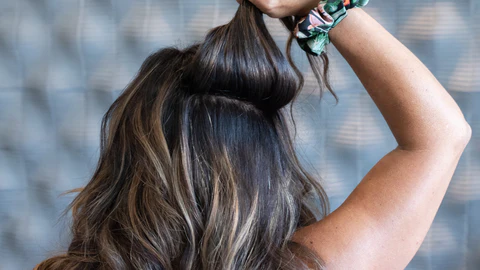
If you’ve ever wondered, “Do sew-in extensions damage your hair?” — the answer depends entirely on the method used. Traditional sew-ins, tape-ins, keratin bonds, and glued wefts all carry risks of breakage, tension, and long-term damage to your natural hair. But there’s one system that changes everything: the Glamour Locks Hair Extension System — the only patented, non-damaging, tension-free sew-in method designed to protect your natural hair while delivering stunning, long-lasting results.
Why Most Hair Extension Methods Cause Damage
Tape-In Hair Extensions
Tape-ins are one of the most common types of hair extensions, but they’re also notorious for causing long-term damage. The adhesive used can weaken over time, leading to slippage and breakage. Even worse, the removal process often involves harsh solvents that can strip and dry out natural hair. Over multiple applications, this cycle of taping, gluing, and retaping can cause thinning and patchy areas near the scalp.
Keratin Bonds and Fusion Extensions
Keratin bond extensions are applied using heat or ultrasonic waves to fuse each strand to your natural hair. While the results may look sleek initially, the bonds put concentrated tension on individual strands. Over time, this leads to traction alopecia (hair loss caused by tension), breakage, and scalp sensitivity. Once removed, many clients notice that their hair feels thinner and more fragile than before.
Braid-and-Sew Weft Extensions
Traditional sew-in wefts start with tight braids across the scalp, onto which wefts are sewn. This method can create extreme tension, especially around the edges, leading to breakage and hair loss. The braids also restrict airflow and proper cleansing, often resulting in dryness and tangling at the roots.
Meet Glamour Locks — The Only Non-Damaging Sew-In System
The Glamour Locks Hair Extension System was created to eliminate every source of damage caused by traditional extensions. Unlike braid-and-sew or glued methods, Glamour Locks uses a patented tension strap that evenly distributes the weight of the extensions across the scalp. This ensures no pulling, no adhesives, and no heat — just secure, comfortable, natural-looking extensions that protect your real hair.
How It Works
Each Glamour Locks weft is attached using our innovative micro-beaded tension strap system. This creates a flexible, breathable foundation that moves naturally with your hair — without tight braids or glue. The result is a seamless, customizable look that keeps your natural hair healthy and free to grow.
Safe for All Hair Types
Whether you have fine, curly, thick, or color-treated hair, Glamour Locks is designed to work safely on all textures. Our certified stylists carefully match the weight, color, and placement to ensure your scalp remains stress-free and your extensions feel virtually weightless.
Why Glamour Locks Is the Healthiest Option
No Glue, No Tape, No Heat
Unlike tape-ins or keratin bonds, the Glamour Locks system uses no adhesives or heat — which are major causes of hair thinning and breakage. You’ll never experience sticky residue, product buildup, or chemical damage.
Tension-Free Design Prevents Breakage
The patented strap system keeps tension evenly distributed, eliminating the strain that causes traditional sew-ins to pull or snap fragile strands. It’s the only method proven to prevent traction alopecia and maintain scalp integrity.
Promotes Natural Hair Growth
Because your natural hair remains undisturbed and well-supported, you’ll often notice improved growth and strength over time. Many clients report their hair feeling thicker and healthier after repeated Glamour Locks installations.
Book a Non-Damaging Sew-In at Glamour Locks
If you’re ready to experience the safest and most beautiful hair extension system available, book your appointment today at one of our Orange County salons:
For more information, visit our listings on the Anaheim Chamber of Commerce and Costa Mesa Courtyards.
Conclusion
So — do sew-in extensions damage your hair? With traditional braid-and-sew or glued methods, yes, they absolutely can. But with the Glamour Locks Hair Extension System, the answer is a resounding no. This patented, tension-free design provides a natural, seamless look while keeping your hair healthy, strong, and damage-free.
Say goodbye to glue, tape, and heat — and hello to the only non-damaging sew-in extensions trusted by women across Orange County. Your hair deserves Glamour Locks.
Frequently Asked Questions: Do Sew In Extensions Damage Your Hair?
Do sew in extensions damage your hair more than other methods?
Traditional sew-in extensions — where the weft is sewn onto a tight cornrow braid — are one of the more damaging methods because they combine two sources of stress: the tension from the braid itself and the weight of the weft pulling down on the braided hair. However, not all sew-in methods are the same. The Glamour Locks system is technically a sew-in — the weft is sewn onto a track — but the track is a patented beaded system with a Tension Strap, not a braid. There is no braiding involved at any step, which eliminates the primary source of damage in traditional sew-in methods.
How long does it take to see hair damage from sew in extensions?
Damage from traditional sew-in extensions often doesn’t become visible until after two or three installation cycles. The first install may feel fine — slight tightness, some scalp soreness — but by the third or fourth, breakage at the braid points, thinning along the part lines, and hairline recession become apparent. This delayed onset is one reason many people underestimate the long-term risk. With the Glamour Locks system, because there is no braid and no tension on the root, this progression simply doesn’t occur. Clients who have worn our system continuously for two, three, and even four years show no signs of traction damage.
What is the Tension Strap, and how does it prevent sew in extension damage?
The Tension Strap is the patented core technology behind the Glamour Locks Hair Extension System. It’s a thin, flexible carbon fiber strap that runs along the beaded track after installation. Its purpose is to act as a load-bearing structure — it absorbs the weight of the extension weft so that weight is never transferred to your natural hair or scalp. No other sew-in extension system uses this technology, which is why Glamour Locks is the only method genuinely backed by a non-damage guarantee.
Can I get sew in extensions if my hair is already damaged?
If your hair is currently damaged — from previous extensions, heat, or chemical processing — it’s natural to be cautious. The Glamour Locks system is one of the few extension methods appropriate for compromised hair, precisely because it doesn’t add tension to already-weakened strands. Many clients come to us specifically because their hair has been damaged by other methods, and the non-damaging nature of our installation allows their natural hair to recover while still giving them the length and volume they want. Your stylist will assess your hair’s current condition at your consultation and advise on the appropriate approach.
How do I maintain sew in extensions to avoid unnecessary stress on my hair?
Maintenance habits matter as much as installation method. Brush daily starting from the ends and working upward — never tugging at the root. Use sulfate-free, lightweight shampoo and rinse thoroughly to prevent buildup around the attachment points. Condition mid-length to ends, avoiding the beaded track. Sleep with your hair loosely braided or in a satin bonnet to prevent matting. And don’t skip your six-week retightening appointments — extensions that grow too far from the scalp without adjustment create leverage that can stress the attachment point and the surrounding hair.
The Science Behind Non-Damaging Sew-In Extensions
Understanding why some sew-in extension methods damage hair while others don’t requires a basic understanding of what actually causes hair damage in the first place. The root cause is almost always mechanical stress — force applied to hair strands or follicles in ways that exceed what the tissue can withstand over time. Different extension methods apply this stress in different ways, at different points in the hair structure, and with different levels of intensity. The Glamour Locks approach was designed specifically to eliminate every identifiable source of mechanical stress from the installation process.
Tension at the Follicle vs. Tension at the Shaft
Hair damage from extensions manifests in two different locations: at the follicle (the root, inside the scalp) and along the shaft (the visible strand). Follicle damage results from sustained tension at the root — the pulling sensation you feel with tight braided sew-ins, heavy clip-ins, or oversized bead attachments. When this tension is maintained for weeks at a time, the follicle responds by entering a resting phase earlier than it naturally would, which over time leads to progressive thinning and, in severe cases, permanent follicle damage. Shaft damage, by contrast, occurs when friction, adhesive, or mechanical stress weakens the hair at a specific point along its length, causing breakage at that location. Do sew in extensions damage your hair through either of these mechanisms? Traditional braided sew-ins damage through follicle tension. Tape-ins and keratin bonds damage through shaft-level adhesive stress. The Glamour Locks system avoids both entirely.
Why the Beaded Track Eliminates Root Tension
The beaded track used in the Glamour Locks system creates an anchor point for the extension weft that is structurally independent from your natural hair follicles. The beads thread onto strands of natural hair, but the tension they create is horizontal — along the track — rather than vertical, which would pull on the follicle. The Tension Strap then takes the vertical load of the weft’s weight, distributing it along the track rather than concentrating it at individual bead points. The result is an attachment that your scalp can sustain indefinitely without the follicle experiencing the sustained downward pull that causes progressive thinning. This is the mechanical reason why clients wear Glamour Locks for years without hair loss — the physics of the system simply don’t produce the stress that leads to damage.
Recovery Time Between Installs
One of the questions clients who have experienced damage from other methods ask most frequently is how long they need to wait before getting new extensions. The answer depends on the type and extent of damage, but in most cases clients can transition to the Glamour Locks system without a waiting period because the new installation doesn’t add to the stress that caused the damage. If your hair has significant breakage at a specific point — the hairline, for example, or along a former braid line — your stylist may recommend a modified installation plan that avoids placing beads directly at those points until the hair recovers. But the transition itself, done with the right method, is part of the recovery rather than an obstacle to it.
What Healthy Hair Looks Like After Years of Sew-In Extensions
Clients who have worn the Glamour Locks system for multiple years consistently show natural hair that has grown longer and thicker than when they started — the opposite of what most people expect from long-term extension wear. This happens because the protective nature of the installation prevents the everyday breakage that limits natural hair growth for many clients, particularly those with fine or fragile hair. Ends that would normally break off from heat styling, brushing, and environmental exposure are shielded by the extension hair above them, allowing the natural hair to retain length it would otherwise lose. The cumulative effect over several years is a client whose natural hair is measurably healthier than it was before they started wearing sew-in extensions — proof that the method, when done right, genuinely does no harm.