
Where Do Hair Extensions Come From? Asia vs. Europe Explained
The difference between a hair transformation and a hair nightmare is largely dependent on where and how your extensions are sourced. Here’s everything you need to know before you buy.
Slavic Hair
Asian Hair
European Sourced
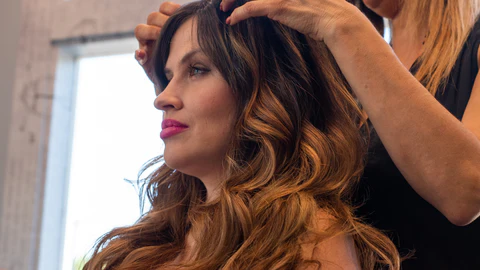
Are you thinking about getting hair extensions? Then you definitely want to research where your hair is coming from. Because the difference between a hair transformation and a hair nightmare is largely dependent on where and how your hair extensions are sourced.
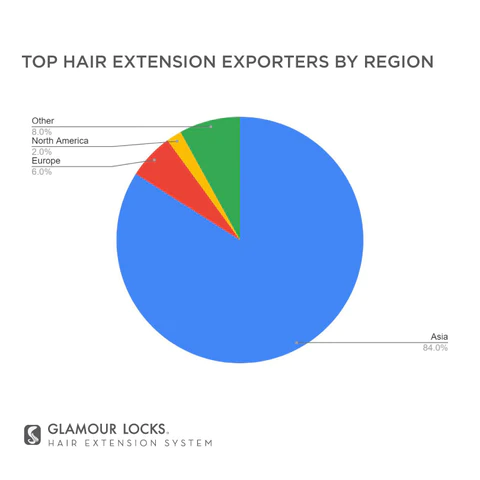
Below is a chart showing the top 3 regions of the world that export human hair extensions. (Source) Asia, Europe, and North America make up over 90% of the hair extension market — so there is a highly likely chance that the hair you purchase will be from one of these regions.

Chinese and Indian Hair Extensions (Asian)
The largest exporter of human extension hair in the world is Hong Kong with 51.9% of the market. India is a close second with 32.5%. That means there is a good chance that the extensions you are buying will be from one of these two countries. If you are buying Remy Hair, it is guaranteed to be of Asian origins.

✅ Pro #1 — Affordability
The biggest pro of purchasing Chinese or Indian hair is that the cost per ounce is significantly cheaper than other types of hair.
❌ Con #1 — Chemical and Color Processing
The vast majority of women native to these countries have predominantly darker shades of hair. So if you are purchasing blonde or lighter toned extensions, the hair will have been color processed or chemically altered. Processing and coloring weakens the hair’s structure and will ultimately reduce quality.
If the hair you are purchasing has been changed from dark brown to blonde, the cuticle is either severely damaged or removed altogether. That means it will look amazing when first installed, but will quickly become matted, easily tangled, frizzy, dry, and lifeless after a few washes. Read more in this Forbes article.
❌ Con #2 — Quality of the Source (Standard Hair)
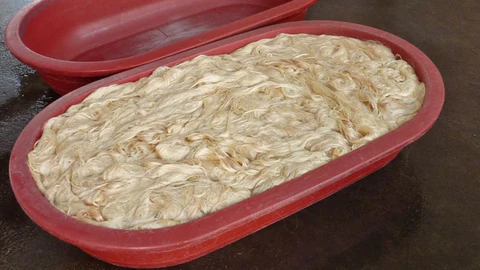
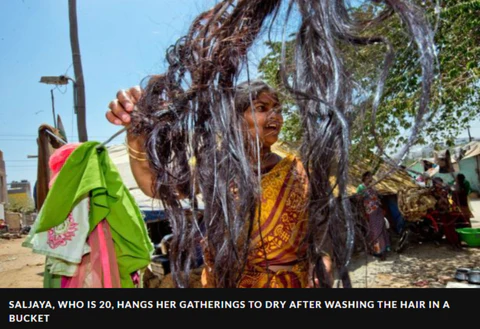
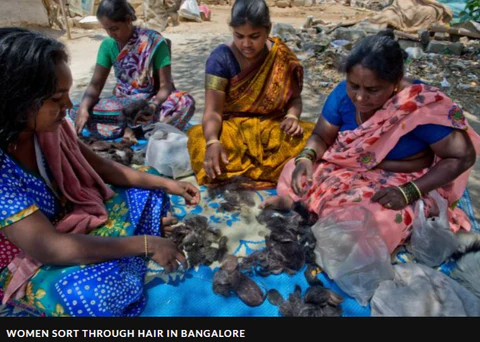
When purchasing hair from these countries you run the risk of buying what the industry calls Standard Hair — a more flattering term than what it actually refers to. Standard Hair is extension hair gathered from numerous sources (hair brushes, salon floors, drain plugs, and other questionable sources), bundled together, processed, and packaged for sale.

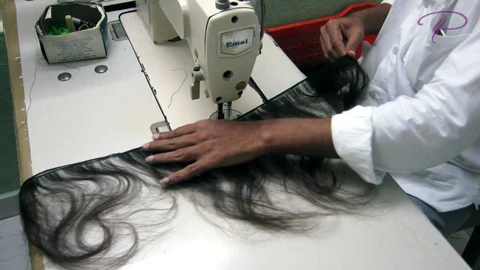
As a BBC article noted, “There is a whole industry around untangling, sorting and treating comb waste. While the finished product invariably passes through China on the way to its final destination, it is likely to be a mishmash of hair from many Asian countries. There is no distinction, it all gets mangled up.” (Source)
❌ Con #3 — Limited Regulation
The hair extension market in Asia is largely unregulated, meaning there is always a chance that the hair you are purchasing is counterfeit or mislabeled — even if labeled as higher quality.
Our Recommendation — Asian Hair
Asian extension hair is much cheaper but comes with a significant reduction in quality. Lighter tones will have been dramatically chemically altered, resulting in dry and damaged hair. Standard Hair is common, and the market is largely unregulated. Our recommendation is to skip this hair altogether and pay extra for a higher quality product — it will look more natural and last much longer.
Slavic Hair (European)
The Slavic regions of Europe — including Ukraine, Czechoslovakia, Poland, Russia, and other Eastern European countries — represent the third largest exporter of extension hair in the world. The popularity of hair from this part of the world continues to grow as more women become aware of its superior quality. Due to its popularity and limited availability, Slavic Hair is hard to come by and commands a premium price.
✅ Pro #1 — The Longest Lasting Hair Available
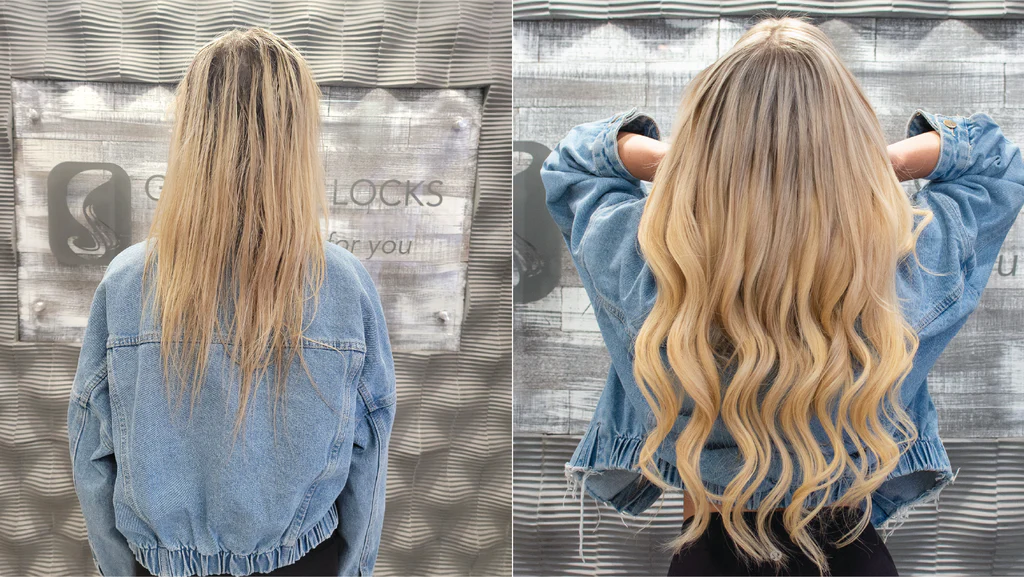
Slavic Hair will last up to 1 year with proper care. The average Remy Hair from China and India lasts 3–6 months. Lower grade silicone-coated hair lasts less than a month.
✅ Pro #2 — Minimally Processed
Slavic Hair comes in a wide variety of colors and textures — from dark to light — so finding a match for your natural hair is much easier. Because of this range, it requires minimal processing before installation, resulting in extensions that are healthier and of higher quality.
✅ Pro #3 — Virgin, Double Drawn, and Hand Tied Wefts
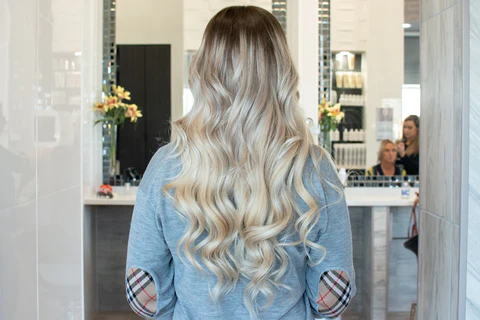
If you find a salon that carries Slavic Hair, they will most likely have access to Virgin Slavic Hair — 100% human hair that has never been colored or chemically processed. As a Huffington Post article noted about sourcing Ukrainian hair: the double drawn process removes short hairs so the hair appears thick from roots to ends, and hand-tied wefts take one worker a full day to complete just 100 grams — no mass production.
❌ Con #1 — Higher Price
With quality comes price. However, European hair lasts 2 to 4 times longer than even the best hair sourced from China and India, and it looks and feels far more natural.

❌ Con #2 — Harder to Find
Because demand for Slavic Hair is so high, it is becoming increasingly difficult to find. If you ask your current stylist where their hair is from, they will almost certainly say “Remy Hair” — which simply means cuticle-aligned hair from China or India, not European hair.
Our Recommendation — Slavic Hair
The pros of Slavic Extension Hair far outweigh the cons. You may pay a little more, but the quality, longevity, and natural look make it well worth it.
Glamour Locks Exclusively Uses European Cuticle Hair
All Glamour Locks salons exclusively carry Cuticle Hair and Cuticle Hair+ — silicone free, single donor, European sourced, lasting up to 1 year, cuticle aligned, and 100% human hair with the cuticle fully intact.
Frequently Asked Questions: Where Do Hair Extensions Come From?
Does it matter where hair extensions come from if they’re labeled “100% human hair”?
“100% human hair” is one of the most misused labels in the extension industry. It technically means the hair is of human origin — but it says nothing about whether the cuticle is intact, whether the hair comes from a single donor, how it was collected, or what processing it’s been through. Hair collected from brush and floor sweepings, processed to remove the cuticle, and coated with silicone is still technically “100% human hair.” Understanding where hair extensions come from — and what that means for quality — is essential context for evaluating that label.
Why does European hair perform differently from Asian hair in extensions?
The structural differences between European and Asian hair affect how well extension hair blends with most Western clients’ natural hair. European hair tends to have a finer strand diameter, a looser natural wave pattern, and a lighter base color — characteristics that blend more naturally with the hair of most clients in the United States. Asian hair has a larger strand diameter, is naturally very dark, and has a distinct texture that requires significant chemical processing before it can be made to blend with lighter hair types. This processing is what compromises the cuticle and shortens the lifespan of many affordable extension options.
What does “ethically sourced” mean when it comes to hair extensions?
Ethically sourced hair extensions come from donors who have willingly sold or donated their hair, are compensated fairly, and whose hair is collected in conditions that respect their autonomy and wellbeing. At Glamour Locks, we source our European human hair from suppliers with clear donor relationships and fair compensation practices. Knowing where hair extensions come from is a reasonable question to ask any salon — and one that reputable salons should be able to answer clearly.
Can I tell by looking at extensions where the hair came from?
Not definitively — but there are indicators. Fresh, high-quality single-donor hair has a natural luster that doesn’t look coated or plastic. It moves fluidly and doesn’t feel uniformly smooth in an artificial way. When you run two strands against each other, it feels slightly smoother in one direction than the other (indicating intact cuticle alignment). Hair that feels unnaturally slick and then becomes rough and tangled after a few washes is almost certainly silicone-coated multi-donor hair. Your Glamour Locks stylist can demonstrate the difference during your consultation.
Does where the hair comes from affect how it’s styled and maintained?
Yes — particularly for color and heat styling. Single-donor European hair with an intact cuticle takes color much more predictably than processed, cuticle-stripped hair, because the cuticle opens and closes evenly during the color process. It also responds more consistently to heat styling. Multi-donor hair with a compromised cuticle absorbs color and heat unevenly — which is why cheap extensions often turn brassy, develop hot spots when flat-ironed, or change texture inconsistently. Where hair extensions come from directly determines the results you can expect from every service performed on them.
Making Informed Sourcing Decisions for Hair Extensions
Understanding where hair extensions come from gives you the knowledge to ask better questions, evaluate salon claims more critically, and make decisions that align with your values as well as your aesthetic goals. This section covers the practical implications of hair sourcing for the extension client experience.
How to Ask About Sourcing at a Salon
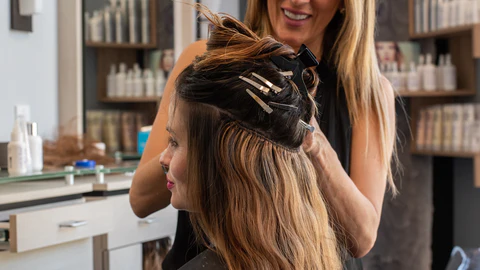
Most salons don’t proactively disclose where their extension hair comes from — but the information is entirely reasonable to ask for. Specifically, ask: Is the hair single-donor or multi-donor? Where geographically does the hair come from? Is the cuticle intact and aligned, or has it been stripped and coated? What processing has the hair undergone before it reaches the salon? A salon that can answer all of these questions clearly is a salon that takes the quality of their hair seriously enough to actually know the answers. A salon that responds vaguely — “it’s high quality” or “we only use the best” without specifics — is one where the sourcing standards may not meet the marketing language.
The Ethical Dimension of Hair Sourcing
Where hair extensions come from is not just a quality question — it’s an ethical one. Hair collection practices range from completely consensual and fairly compensated to exploitative and opaque. In some markets, hair is collected from donors who don’t fully understand what they’re agreeing to or who are paid a fraction of the true market value. In others, donors are treated as partners who receive fair compensation for a renewable resource they choose to sell. Glamour Locks sources from suppliers who can verify the ethical conditions of their collection practices — a standard that not every extension supplier meets, but one that we consider non-negotiable regardless of the cost premium it involves.
Why Geographic Origin Matters Beyond Quality
The geographic origin of extension hair affects not just quality but also the texture and diameter characteristics of the hair itself. Hair from Eastern Europe has naturally finer strands and a broader range of lighter natural colors than hair from most Asian sources. This means Eastern European hair typically requires less chemical processing to achieve the blonde and light brown shades most commonly requested in the American market — and less processing means more cuticle integrity, which means longer lifespan and better performance. Understanding where hair extensions come from in this geographic sense helps explain why Glamour Locks specifically sources from Eastern Europe rather than simply purchasing from the most cost-effective available supplier.