
Hair Quality Guide
Where Do Hair Extensions Come From? Asia vs. Europe, Explained
The difference between a hair transformation and a hair nightmare usually comes down to one thing: where your extension hair was sourced and how it was processed. Here is what every client should know before they buy.
The Quick Answer
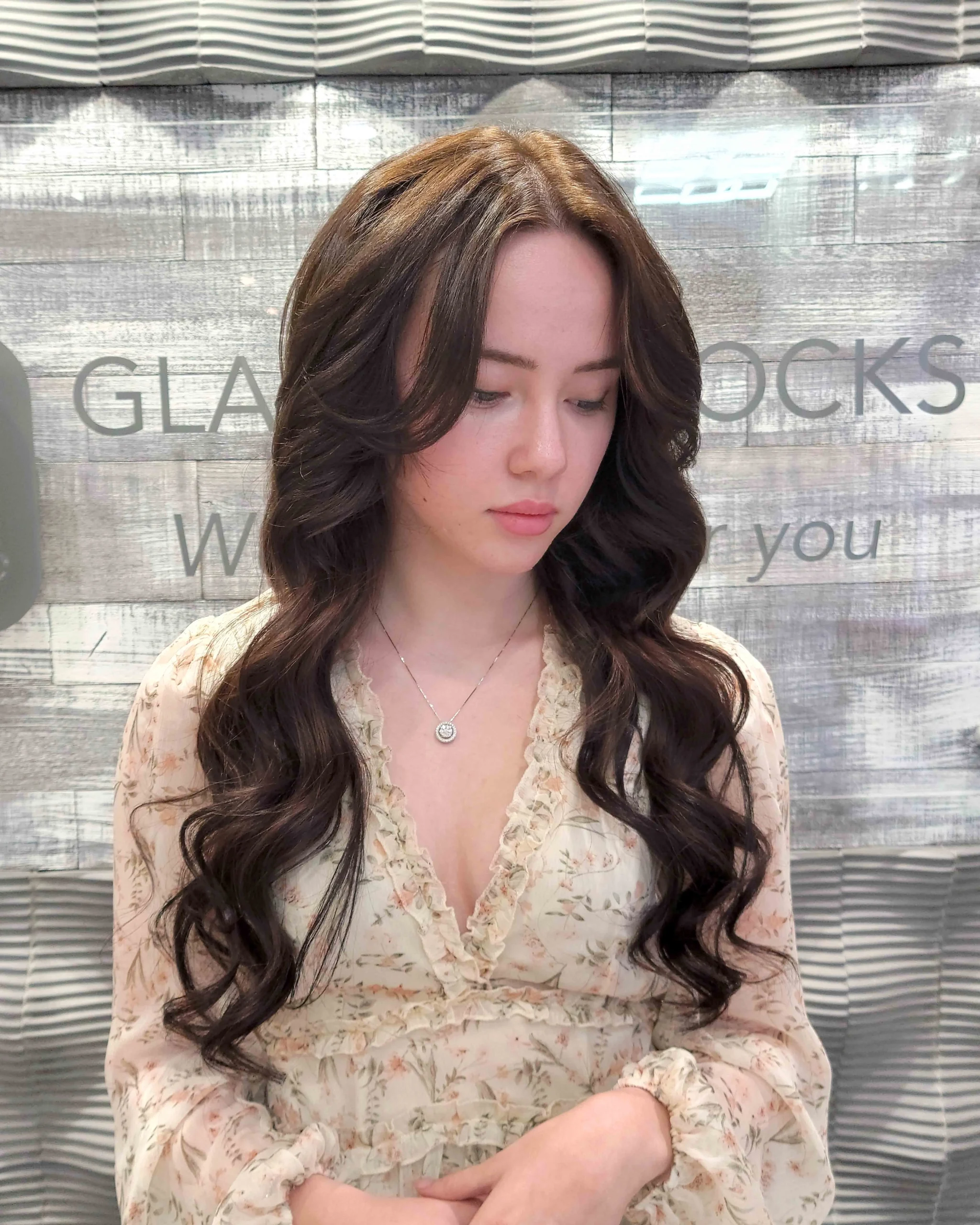
Most human hair extensions come from Asia, mainly India (much of it temple hair offered during religious head shaving), Vietnam, Cambodia, and Myanmar, with China acting as the world’s biggest processing hub. A smaller, premium share comes from Eastern Europe, including Ukraine, Russia, and Poland. Where the hair comes from decides how heavily it is processed, how long it lasts, and how natural it looks.
01 / Origins
Where the World’s Extension Hair Comes From
Nearly all human extension hair on the market traces back to a handful of regions. Each one produces hair with a different texture, color range, and level of processing.
India
The largest single source of raw hair. Much of it is temple hair, shaved by pilgrims as a religious offering and auctioned by temples such as Tirumala in Andhra Pradesh. The rest is combed or fallen hair collected door to door.
China
The world’s main processing hub. Factories, many around Xuchang in Henan province, import raw hair from across Asia, then sort, bleach, dye, and weft it before export.
Vietnam, Cambodia, Myanmar
Women often sell ponytails directly to local collectors. The hair is thick and very dark, so it needs heavy lightening to become blonde.
Ukraine, Russia, Poland
Known as Slavic hair. Finer strands and a natural range of light colors mean far less chemical processing. It is rare, in high demand, and priced at a premium.
02 / Process
How Raw Hair Becomes an Extension
Whatever the origin, extension hair goes through the same basic journey. The quality of each step is what separates hair that lasts a year from hair that falls apart in a month.
Collection
Hair is cut from a single donor as a ponytail, shaved at a temple, or gathered as combings and fallen hair from many people.
Sorting
Workers untangle and sort strands by length. Mixed, multi-donor hair takes the most handling.
Cuticle alignment
In quality hair the cuticles all point root to tip, which prevents tangling. This is what “Remy” means.
Cleaning and coloring
Hair is washed and, if needed, bleached and dyed. Dark hair taken to blonde loses much of its cuticle here.
Coating
Lower grade hair is often coated in silicone so it feels silky in the package. The coating washes out within weeks.
Wefting
Finished hair is sewn into machine or hand tied wefts, tape-ins, or bonds and shipped to salons and suppliers.
03 / Asian Hair
Chinese and Indian Hair Extensions
Asia supplies the large majority of the world’s extension hair, so there is a good chance the extensions you see online or at a typical salon started there. Asian hair is strong and plentiful, but how it is collected and processed varies enormously.
A BBC investigation into the trade found that much of it passes through China and is “likely to be a mishmash of hair from many Asian countries” by the time it is packaged (BBC).

Pros
- AffordableThe cost per ounce is significantly lower than European hair.
- Widely availableEasy to find in every length and many textures.
Cons
- Heavy chemical processingNaturally dark hair must be bleached to reach blonde, which damages or strips the cuticle. It looks great at install, then turns dry, frizzy, and tangled after a few washes.
- “Standard hair” riskSome hair is gathered from brushes, salon floors, and drains, bundled from many donors, then processed and coated to look new.
- Limited regulationMislabeled or counterfeit hair is common, even when sold as higher quality.
Asian extension hair is cheaper, but lighter shades come with a major drop in quality. For blonde and light brown clients, we recommend skipping it and investing in hair that will look natural and last much longer.
04 / European Hair
Slavic Hair from Eastern Europe
Slavic hair comes from Ukraine, Russia, Poland, the Czech Republic, and neighboring Eastern European countries. Its popularity keeps growing as more women learn about its quality, and because supply is limited it is harder to find and priced at a premium.
Slavic hair has a finer strand, a softer natural wave, and a wide range of natural shades from dark brown to light blonde, so it needs little to no lightening to match most clients.
Pros
- Longest lasting hair availableUp to 1 year with proper care, compared with 3 to 6 months for average Remy hair and under a month for silicone coated hair.
- Minimally processedNatural light shades mean the cuticle stays healthy and intact.
- Virgin, double drawn, hand tiedDouble drawn hair has the short strands removed so it is thick from root to tip. Hand tied wefts can take a worker a full day to finish just 100 grams.
Cons
- Higher priceIt costs more up front, but lasts 2 to 4 times longer than the best Asian hair, so the cost per month is often lower.
- Harder to findMost salons carry “Remy” hair, which only means cuticle aligned. It does not mean European.
The pros of Slavic extension hair far outweigh the cons. You may pay a little more, but the quality, lifespan, and natural look make it worth it.
We Went to the Source
We Visited Our Hair Supplier in Kyiv, Ukraine
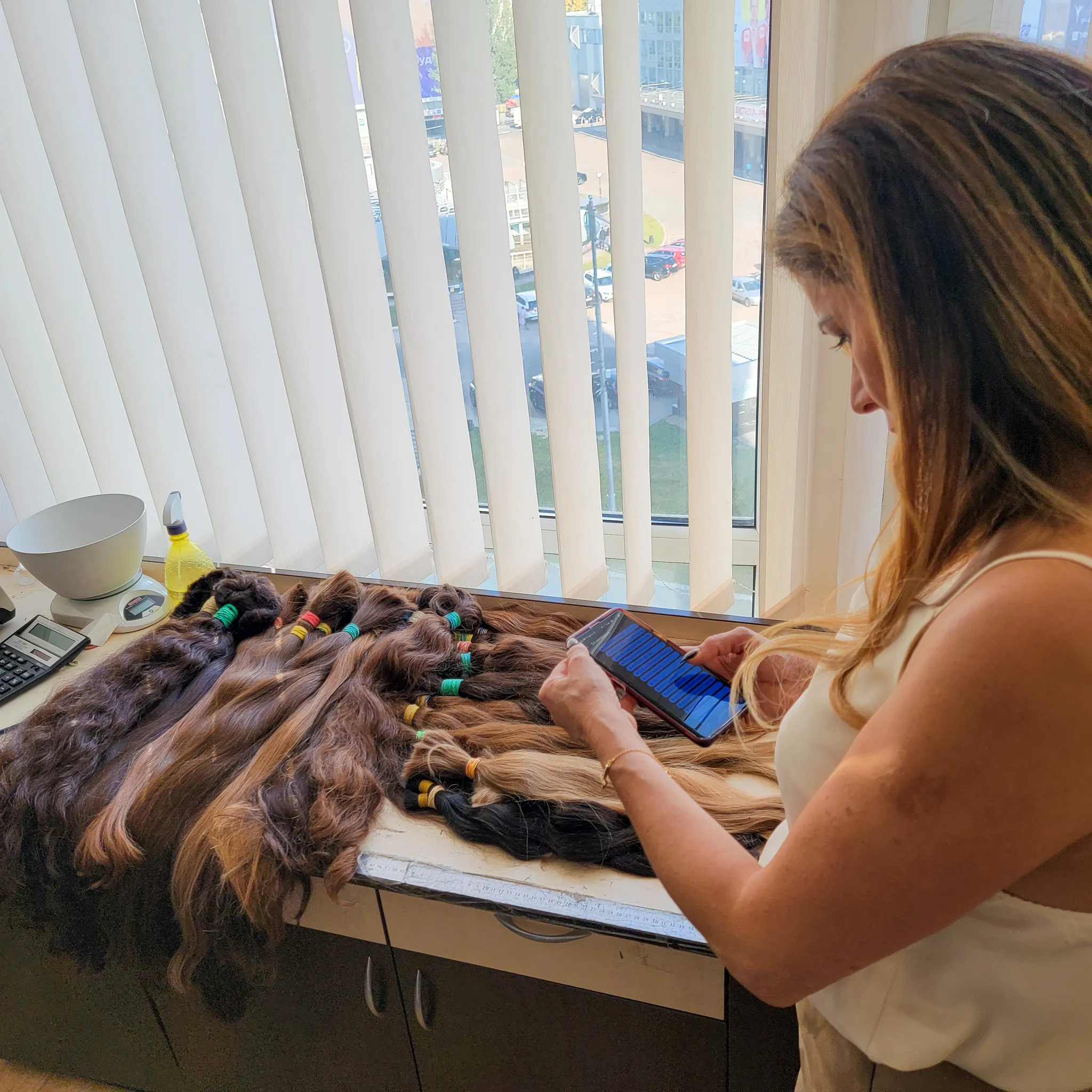
Most salons never see where their hair comes from. Our team traveled to Kyiv to meet the suppliers behind our European hair in person and see their quality control firsthand.
- Meeting our Ukrainian suppliers face to face, with no middlemen
- How European hair is hand selected and checked before it becomes a weft
- Why ethical sourcing and quality control start at the supplier
Filmed in 2020, before the war in Ukraine.
05 / Comparison
Asian vs. European Extension Hair at a Glance
| Factor | Asian hair (China, India, SE Asia) | Slavic hair (Eastern Europe) |
|---|---|---|
| Natural color | Very dark brown to black | Dark brown to light blonde |
| Strand | Thicker, straighter | Finer, soft natural wave |
| Processing for blonde | Heavy bleaching and dyeing | Little to none |
| Typical lifespan | 3 to 6 months (Remy), under 1 month (coated) | Up to 12 months |
| Donor source | Often multi-donor | Usually single donor |
| Price | Lower | Premium |
| Best for | Dark hair, short term wear | Blonde, brunette, and long term wear |

The Glamour Locks Standard
We Exclusively Use European Cuticle Hair
Every Glamour Locks salon carries only Cuticle Hair and Cuticle Hair+, sourced from Europe and checked at the source.
07 / Before You Buy
What to Ask Your Salon About Sourcing
Most salons do not volunteer where their hair comes from, but it is a completely reasonable thing to ask. A salon that takes quality seriously will answer all of these clearly. Vague answers like “it’s high quality” are a red flag.
- Is the hair single donor or multi-donor?
- Which country or region does the hair come from?
- Is the cuticle intact and aligned, or has it been stripped and coated?
- Has the hair been bleached or dyed before it reached the salon?
- How long should it last with proper care?
Why ethics matter too
Hair collection ranges from fully consensual and fairly paid to exploitative and opaque. Glamour Locks works with suppliers who can verify fair, consensual collection, a standard we treat as non-negotiable regardless of cost.
08 / FAQs
Frequently Asked Questions
Where do 100% human hair extensions come from?
Most come from India, China, Vietnam, Cambodia, and Myanmar, with a smaller premium share from Eastern Europe. “100% human hair” only means the hair is human. It says nothing about whether the cuticle is intact, whether it came from one donor, or how heavily it was processed.
Do hair extensions come from dead people?
No. Reputable extension hair comes from living donors who sell or donate their hair, or from temple offerings. The real quality concern is not where the donor lives but whether the hair is single donor or gathered from combings and floor sweepings.
Are human hair extensions ethical?
They can be. Ethically sourced hair comes from donors who chose to sell or donate it and were paid fairly. Because the industry is loosely regulated, ask your salon to explain exactly where its hair comes from and how the donors are treated.
Where do blonde hair extensions come from?
Most blonde extensions start as dark Asian hair that has been bleached and dyed. Naturally light blonde hair is rare and mostly comes from Eastern Europe, which is why Slavic blonde hair costs more and lasts much longer.
What does Remy hair mean?
Remy means the cuticles all face the same direction, root to tip, which reduces tangling. It describes how the hair is aligned, not where it comes from. Remy hair can be Asian or European.
Why does European hair perform differently from Asian hair?
European hair tends to have a finer strand, a softer wave, and a lighter natural base, so it blends with most Western clients without heavy processing. Asian hair is thicker and very dark, and the bleaching needed to lighten it is what shortens the life of many affordable extensions.
Can I tell where extensions came from by looking at them?
Not with certainty, but there are clues. Good single donor hair has a natural luster, moves fluidly, and feels slightly smoother in one direction than the other. Hair that feels unnaturally slick, then turns rough after a few washes, is almost always silicone coated multi-donor hair.
Does the source affect coloring and heat styling?
Yes. Hair with an intact cuticle takes color evenly and responds predictably to heat. Cuticle stripped hair absorbs color and heat unevenly, which is why cheap extensions turn brassy or develop hot spots when flat ironed.
Keep Reading
More From the Glamour Locks Blog
Sources: BBC News, Untangling where your hair extensions really come from; Forbes, How to choose the best hair extensions. Explore our Costa Mesa and Anaheim Hills salons.
Orange County Hair Extension Salon
See and Feel the Difference European Hair Makes
Book a consultation at our Costa Mesa or Anaheim Hills salon and we will show you exactly where your hair comes from.
Last updated: